What has to happen before a generator can leave, and what sets its value.
Who disconnects it
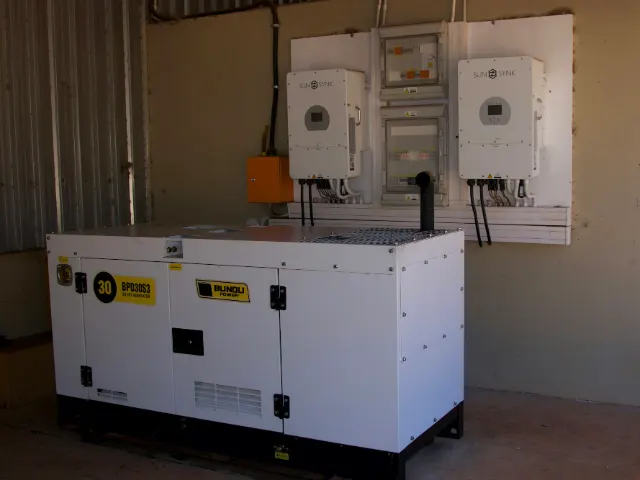
Standby sets are wired into a building and often fed by a gas line. A licensed electrician disconnects the power side and a licensed gas fitter handles natural gas or propane. Technical Safety BC oversees that work in the province.
We do not cut power or gas lines. Once the set is disconnected, we take it from there.
Fuel in the tank
Diesel standby sets often sit on a sub base fuel tank. Tell us roughly how much fuel is left.
A full tank adds a lot of weight and may need to be pumped out before loading, so it is better to know before pickup day.
Where the value is
Most of a generator's metal value is in the copper windings of the alternator and the steel frame.
A dead engine lowers the price, but the alternator often still counts. The kW rating on the nameplate tells us the size.
Rooms, roofs and parkades
Getting a set out of a mechanical room can mean removing doors, using a forklift or crane, or taking the set apart. Building managers usually want notice and sometimes a lift plan.
Send photos of the route from the generator to the street, including doors, stairs and ramps.
Batteries and coolant
A standby set has starting batteries, coolant and engine oil. Leave them in place unless something is leaking.
The fluids and batteries are drained and separated after removal, not on your site.
Old units after a building upgrade
When a building replaces its standby generator, the old set often stays in the room until someone arranges removal. Strata councils and property managers usually want it gone in one visit, with no damage on the way out.
Send the model, the kW rating and photos of the route out, and we will plan the move and the quote together.
Batches of portables
Rental yards, film productions and contractors often have a stack of small portables that no longer start.
We take them in one trip. Send a count and a photo of the pile.