
Lower Mainland Heavy Equipment Ownership Paperwork: Lien and Disposal Readiness
When a commercial machine should leave a yard, worksite, warehouse, or fleet, the physical unit is only part of the decision. In Vancouver and the Lower Mainland, a smoother disposal conversation starts with a clear record of who can authorize the sale or removal, what equipment is included, and whether any registered interest needs attention. That preparation is useful whether the machine is mobile, stationary, damaged, incomplete, or no longer economical to keep. Call (236) 900-3163 to talk about your machine.
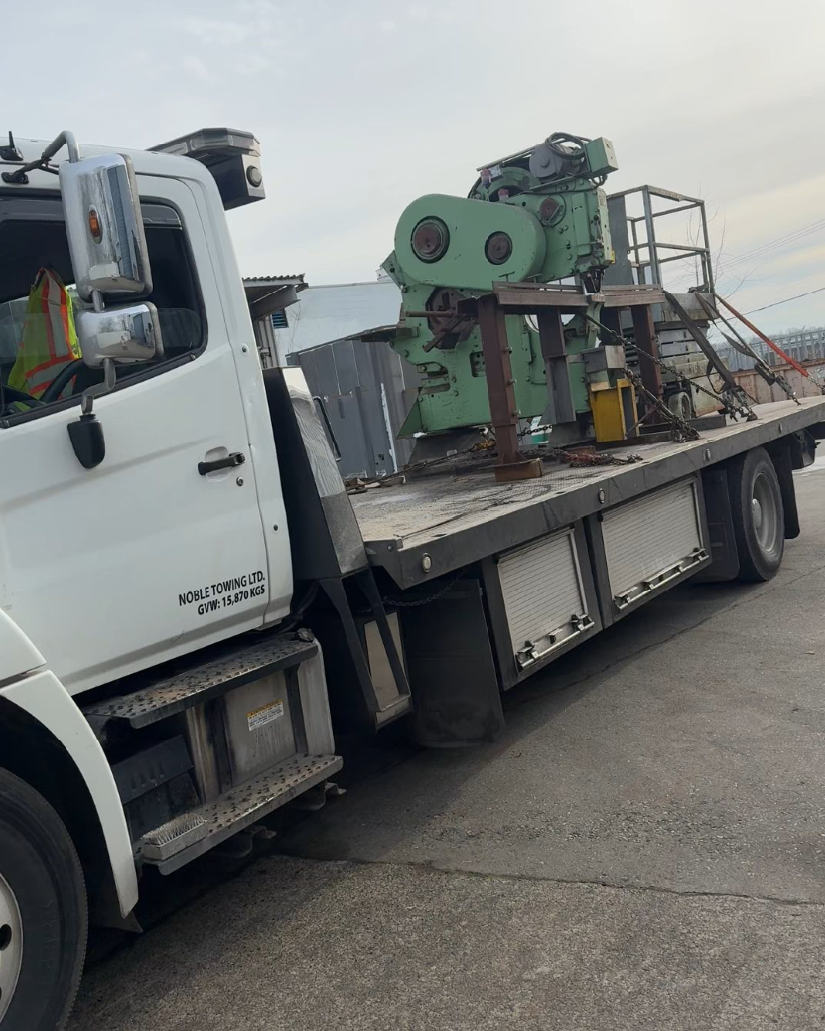
For a business owner, property manager, contractor, or fleet administrator, paperwork readiness protects the organization and the proposed transaction. It helps prevent a quoted unit from being confused with a different asset and makes it easier to decide who must sign. The goal is to assemble reliable facts, identify gaps honestly, and obtain professional guidance when records point to a lien, lease, estate, partnership, or authority question.
Three Lower Mainland readiness details to keep in view
1. A registered lien is a separate issue from the machine’s condition. In B.C., a lien is a notice of a legal claim that can be registered against personal property as security to ensure a debt or loan is repaid. BC Registries explains the Personal Property Registry. A working excavator, forklift, loader, generator, attachment, or highway-capable unit can still need a record review before an owner represents that it can be sold or released free of another party’s interest. A lien result is not something to guess about from a purchase invoice, a paid balance, or a conversation with a former employee. Keep the record, determine what asset description it concerns, and ask the secured party, a lawyer, or another qualified adviser what documentation is appropriate before proceeding.
2. Road-registered equipment calls for matching registration records. Ask the vehicle owner to show you their registration documents indicating their legal ownership. ICBC sets out this ownership-check step. This is most relevant when the equipment is a registrable vehicle or comes with a registered road-use component; it should not be treated as a substitute for equipment records on every off-road machine. Compare the make, model, vehicle identification number where applicable, plate information if it exists, and the named owner to the unit in the yard. If the registered record and the commercial asset list do not match, pause and resolve the discrepancy rather than describing the ownership position with certainty.
3. Transport planning may have its own approvals. Extraordinary loads may require special authorizations, approvals and/or permits from CVSE, local authorities and utilities. B.C.’s extraordinary-load guidance also notes that route, dimensions, configuration, axle-group weights, and exact start and end points can affect an approval decision. For Lower Mainland equipment owners, that means a disposal decision and a hauling plan are related but distinct. Record overall dimensions, approximate weight, whether the unit can be reduced or separated, and the site departure point. Those facts can help a transporter assess what needs to be considered without anyone promising a route, permit, pickup time, or approval in advance.
Build an ownership packet before requesting disposal service
Start with the internal file that best connects the machine to the business. For many companies, that may be a fixed-asset schedule, original purchase invoice, bill of sale, finance or lease agreement, insurance record, maintenance file, or equipment inventory. Retain the asset number, manufacturer, model, serial number, and any VIN exactly as they appear in the underlying records. If the machine has an attachment being included in the transaction, identify it separately. A bucket, fork carriage, breaker, auxiliary power unit, trailer, or specialized tool may have its own serial number and may not be covered by a generic description such as “equipment package.”
Then identify the person or people who can make the decision. In a closely held business, that may be an owner or officer. In a larger business, authority may be delegated to a fleet manager, controller, project executive, or asset-disposition contact. If the unit is owned by a corporation, partnership, estate, lender, or landlord, make sure the person communicating with a service provider has the organization’s approval to request removal or sale. A name on a worksite gate list, a former project manager’s email, or physical possession of keys does not automatically establish authority to dispose of an asset.
Keep the ownership packet factual. It is better to say that a serial plate is unreadable, a registration document is being located, or a financing question is under review than to fill a gap with an assumption. A clear statement of what is known, missing, and under review helps guide the next conversation.
Use a lien check as a decision point, not a formality
The B.C. Personal Property Registry records security interests and liens against personal property. The registry’s guidance says that a search can be requested through Service BC, a third-party service provider, by mail, or online by eligible professional users. For a commercial equipment disposal file, note the search method, search criteria, date, result, and any related correspondence. That preserves context instead of leaving a later reviewer with an unexplained statement that “there were no liens.”
A search result deserves careful reading. The name of a debtor, serial-number entry, collateral description, registration number, and registration status may matter. Do not assume that a search result proves ownership, that no result clears every possible claim, or that a paid invoice removes a registered interest. If a result appears relevant, do not rely on a verbal assurance. Ask the secured party what has been discharged or released and keep written confirmation or registry documentation. BC Registries states that a Financing Change Statement is used to amend, discharge, or renew an existing registration.
Separate sale authority from site and transport facts
Once records are organized, prepare a concise disclosure sheet for a removal inquiry. Include the legal owner’s name, authorized contact, exact asset identifiers, general operating status, known modifications, whether keys and manuals are available, and whether any lien or registration follow-up is pending. Add the site address, where the equipment is positioned, access limitations known to the owner, and whether another party controls the property. These are observations for planning, not promises about removal methods or timing.
For a large machine, also capture dimensions and weights available from the manufacturer or the owner’s records. B.C. extraordinary-load guidance specifically asks applicants to be clear about distance, proposed route, exact start and end points, configuration, dimensions, and axle-group weights. Supplying accurate available data enables a carrier to make its own assessment. It does not mean an owner should choose the route, self-issue an approval, or state that a permit will be available.
Photographs can support identification when they show the full unit, serial or VIN plate where readable, attachments, access conditions, and visible damage. Keep original records privately and share material appropriate to the proposed transaction. Handle sensitive financial, personal, or internal business information carefully.
Questions worth resolving before a commercial removal conversation
- Which legal entity owns the equipment, and who has authority to authorize a sale or removal?
- What serial number, VIN, asset number, and attachment identifiers can be matched to source records?
- Is the machine subject to a lease, financing arrangement, registered lien, court matter, or internal approval process?
- For a road-registered unit, do the registration documents match the equipment and the legal owner?
- What information about dimensions, weight, configuration, and site location is available for a transport assessment?
- What written record will the business retain of the authorization, condition disclosure, and final disposition decision?
These questions do not require an owner to solve every issue before making contact. They help identify the right next step. Where ownership or a lien is unclear, the responsible next step may be to obtain advice or documentation first. Where records are clear, providing a short, accurate packet can make a commercial disposal discussion more efficient and reduce avoidable follow-up.
Speak with Heavy Machinery Removal
Heavy Machinery Removal can discuss a seller-side heavy-equipment disposal inquiry for Vancouver and the Lower Mainland using the facts you can document. We do not sell used parts. If you are preparing to dispose of commercial heavy equipment, gather the ownership records, identifiers, and any lien or registration information available, then call (236) 900-3163 to begin a clear, records-aware conversation.